School of Philosophy, Fudan University
July 28, 2025, 21:30 Shanghai
VOL.4498
1
Opening: Bridging Global Wisdom Through Scholarship
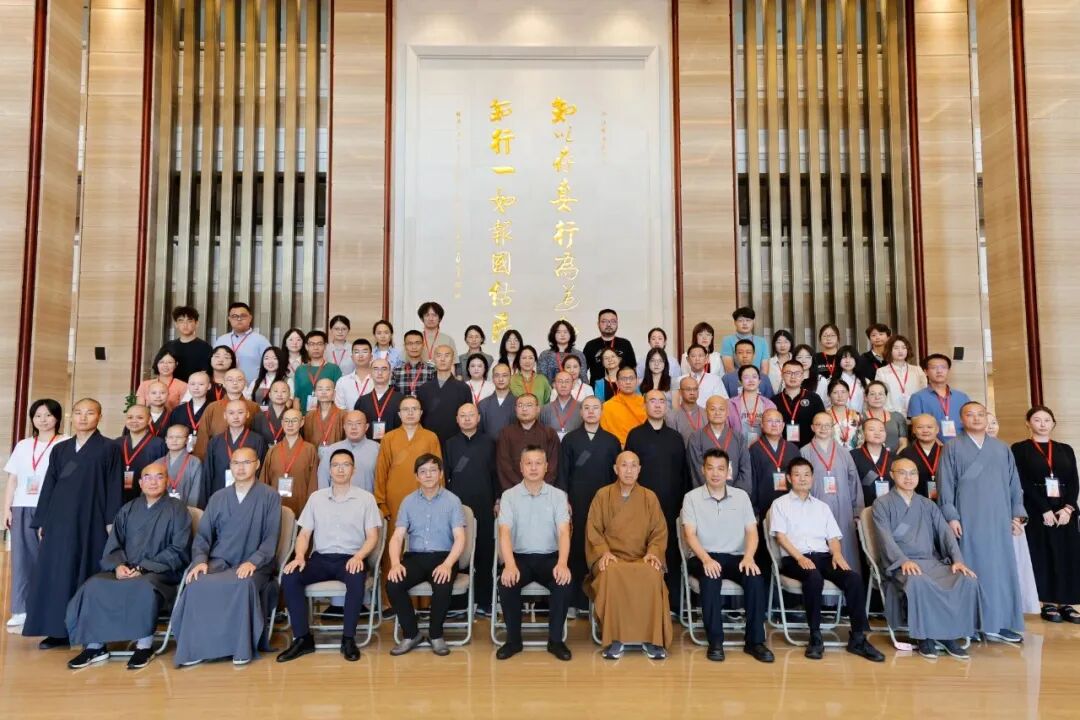
From July 22 to 24, the Second Fudan Buddhist Studies Doctoral Forum, themed “Frontiers in Buddhist Studies Research,” was successfully held at Zhejiang Buddhist College (Headquarters). This academic gathering, hosted by the School of Philosophy at Fudan University, organized by Zhejiang Buddhist College, and co-organized by the Ningbo Maitreya Culture Research Base, brought together over 70 young scholars and doctoral/master's students from institutions including Peking University, Fudan University, Tsinghua University, the University of Chinese Academy of Social Sciences, Renmin University of China, The Chinese University of Hong Kong, Zhejiang University, Nanjing University, Sun Yat-sen University, Shandong University, as well as overseas institutions from Japan, Germany, and Sri Lanka. Additionally, it featured participants from Buddhist institutions such as the China Buddhist Institute and Minnan Buddhist Institute. Over 70 young scholars and postgraduate students attended, establishing the forum as a vital platform for dialogue among the next generation of scholars in global Buddhist studies.
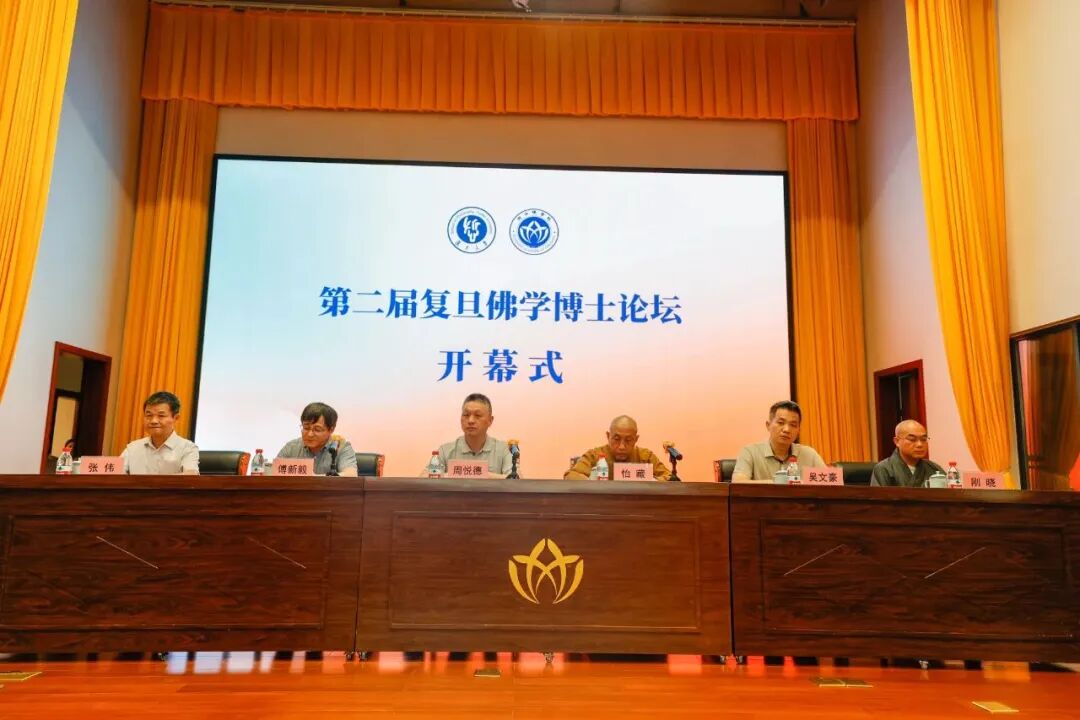
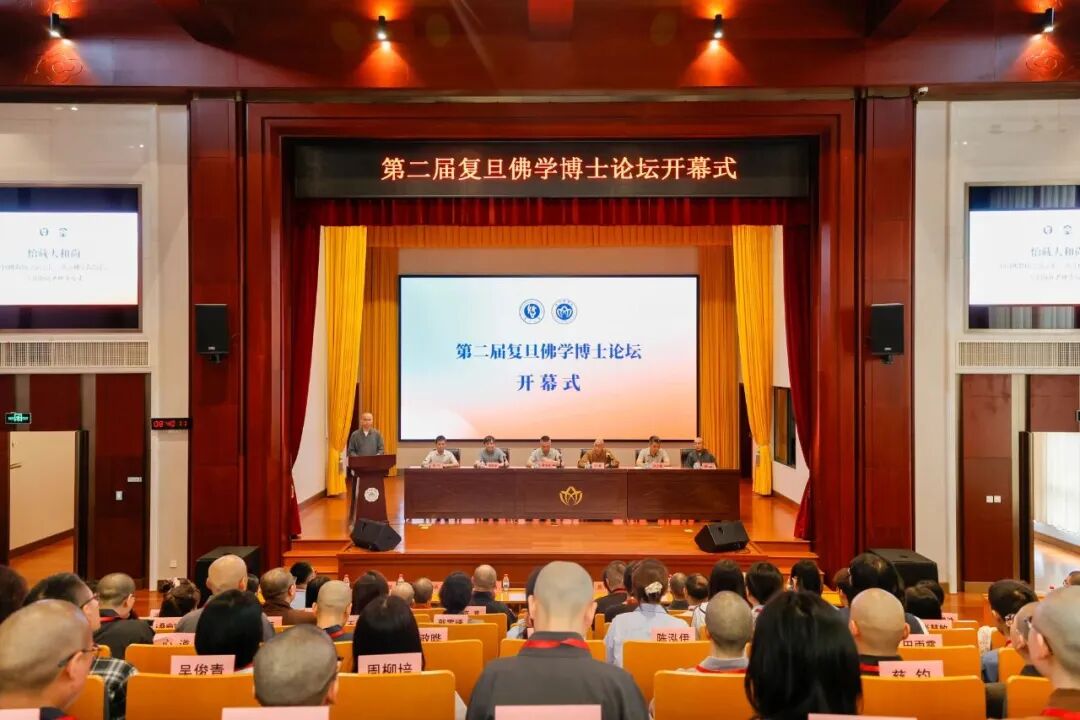
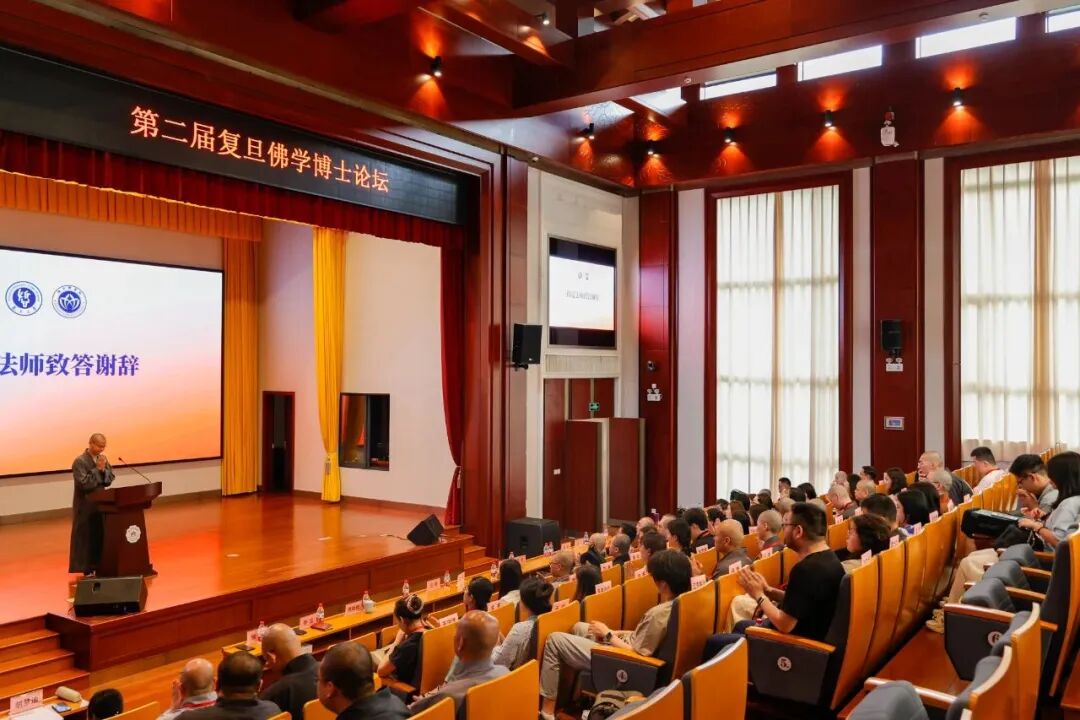
On the morning of July 23, the opening ceremony of the forum commenced in the lecture hall of Zhixing Building at Zhejiang Buddhist College (Headquarters). The ceremony was presided over by Venerable Chiding, Executive Vice President of our college. Attendees included Zhou Yuede, Deputy Director of Ningbo Municipal Bureau of Ethnic and Religious Affairs, Deputy Party Secretary, and Level-2 Inspector; Wu Wenhao, Deputy Director of Fenghua District United Front Work Department and Director of District Bureau of Ethnic and Religious Affairs; Venerable Yicang, Vice President of the Buddhist Association of China, President of Zhejiang Buddhist College, and Abbot of Zisheng Chan Temple on Xuedou Mountain; Professor Fu Xinyi, Head of the Department of Religious Studies at Fudan University's School of Philosophy; Professor Zhang Wei, former Dean of Ningbo University's School of Humanities and Media and Vice President of our college; Venerable Gang Xiao, Deputy Director of the Xuedou Mountain Maitreya Studies Research Center and graduate supervisor at our institute, along with all faculty and students of Zhejiang Buddhist College (Headquarters) attended the opening ceremony, collectively witnessing this gathering of young scholars in Buddhist studies.
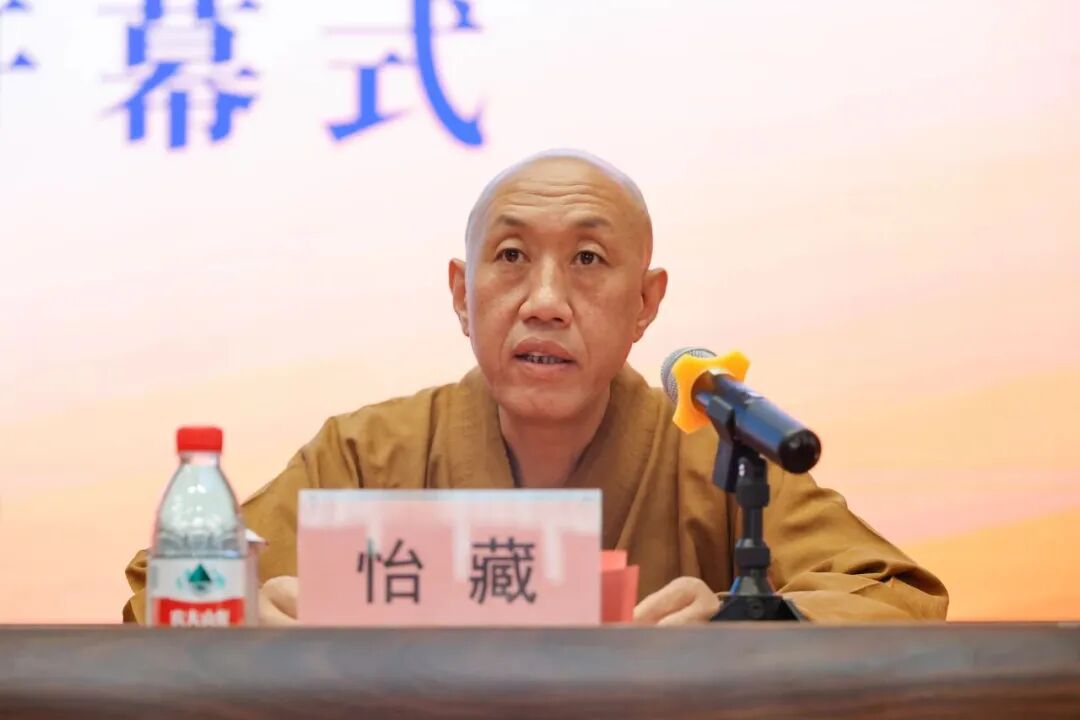
Venerable Yizang, on behalf of Zhejiang Buddhist College and the Xuedou Mountain Buddhist Association, extended a warm welcome to the distinguished scholars and talented young scholars who had traveled from afar. He expressed profound respect and sincere gratitude to the School of Philosophy at Fudan University and Professor Fu Xinyi. He emphasized that this forum, themed “Frontiers in Buddhist Studies,” holds profound significance. It aims to establish a platform for deepening exchanges in Buddhist studies between China and the international community, thereby inspiring the creativity of young scholars. As the sacred site of Maitreya, Xuedou Mountain's traditions of Yogācāra and Nyāya philosophy align closely with contemporary international trends in Buddhist studies. In recent years, Zhejiang Buddhist College, based at Xuedou Mountain, has collaborated with Fudan University's School of Philosophy in exploring Buddhist studies research and talent cultivation. This forum represents a significant step in deepening their partnership, providing a platform for young Buddhist scholars to exchange ideas. He encouraged young scholars to speak freely, broaden their horizons, accumulate achievements, and strengthen friendships through dialogue, thereby integrating Buddhist studies into the international discourse.
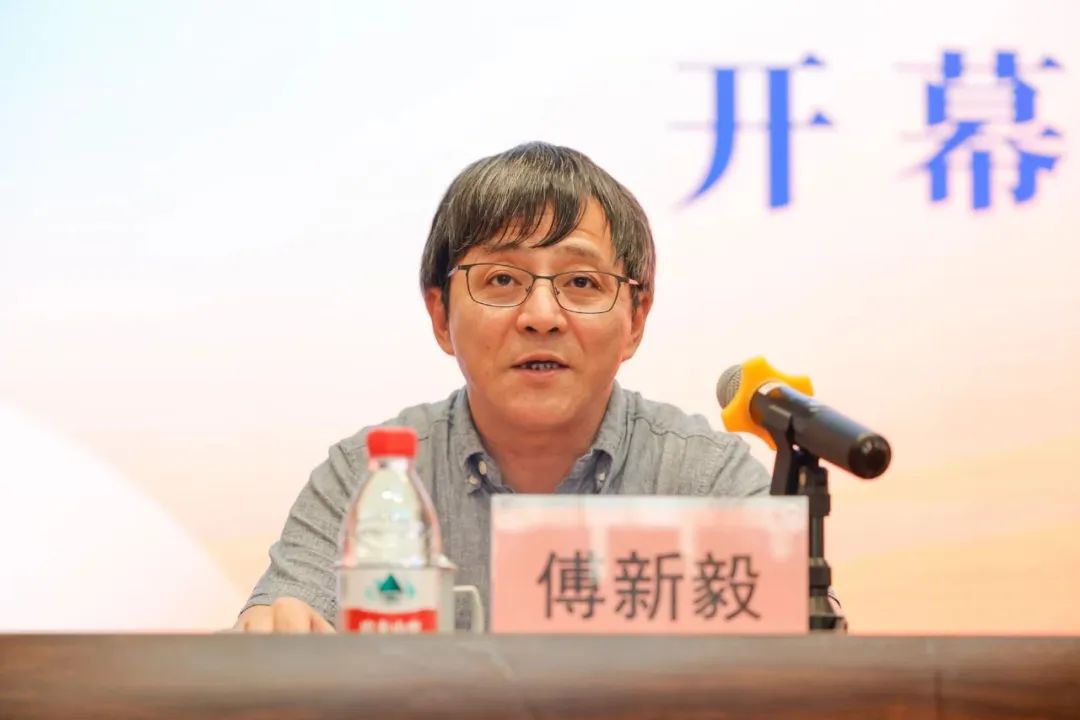
Professor Fu Xinyi stated that this forum, co-hosted by the School of Philosophy at Fudan University and Zhejiang Buddhist College, with the Ningbo Maitreya Culture Research Base as a co-organizer, brought together over 70 young scholars to explore Buddhist studies. It serves as a response to the call for “modernizing Buddhist studies research.” Centered on the theme of “International Frontiers,” the forum reflects how Chinese Buddhist studies, having undergone evolution, now stands at a new juncture. The research of young scholars is both extensive and profound, continuing the academic roots of Buddhist studies while demonstrating an open scholarly attitude. The Department of Religious Studies at Fudan University upholds its academic philosophy by organizing forums to build exchange platforms for young scholars. It is hoped that this forum will serve as an opportunity to establish closer cooperation with all parties, jointly promote the internationalization of Buddhist studies, and contribute wisdom and strength to the exploration of the “international frontiers” in Buddhist research.

Deputy Director Zhou Yuede outlined three expectations in his address: First, to steadfastly guide Buddhist academic research in serving the nation's overarching interests and advancing the Sinicization of Buddhism. He expressed hope that the forum would leverage its expertise to stay attuned to the times, reflect China's perspective, and strengthen cultural cohesion. Second, to prioritize talent cultivation by enhancing the Buddhist education system. He advocated supporting collaboration between Zhejiang Buddhist College and universities to elevate educational standards, establish new frameworks, and solidify the foundation of human resources. Third, deepen civilizational dialogue and cultural dissemination through academic exchange. He expressed hope that both academies would leverage their strengths to sustain activities, advance Buddhist studies' engagement with modern society, and contribute to human spiritual and social development.
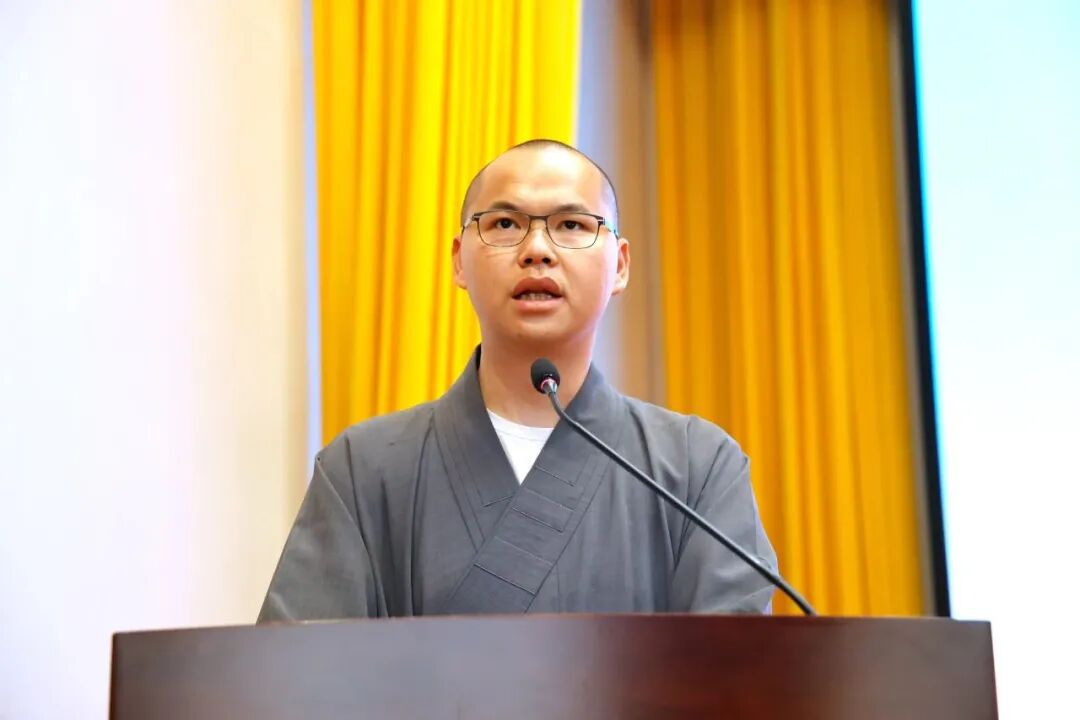
Master Chih-Ting presided over the opening ceremony.
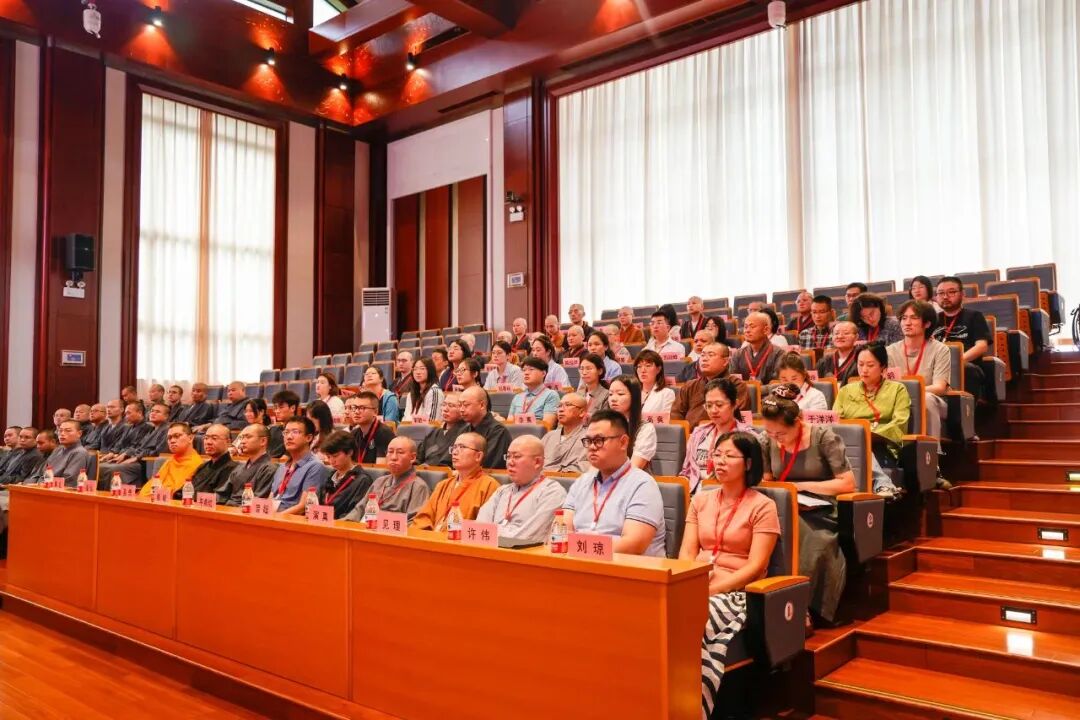
Over the past century, generations of Chinese scholars have pioneered the field through arduous efforts, actively engaging in international exchanges and dialogues to establish the fundamental framework for modern Chinese Buddhist studies. How to ground internationalization in localization and articulate the distinct voice of Chinese scholars presents a new challenge for contemporary academics in the new era. Since establishing the “Fudan University School of Philosophy Teaching Practice Base” in collaboration with Fudan University's School of Philosophy, our institute has jointly organized the “Second Fudan Buddhist Studies Doctoral Forum.” This initiative will help advance the development of the “three teams” proposed by General Secretary Xi Jinping and inject new vitality into the development of China's outstanding traditional culture.
2
Workshop Session
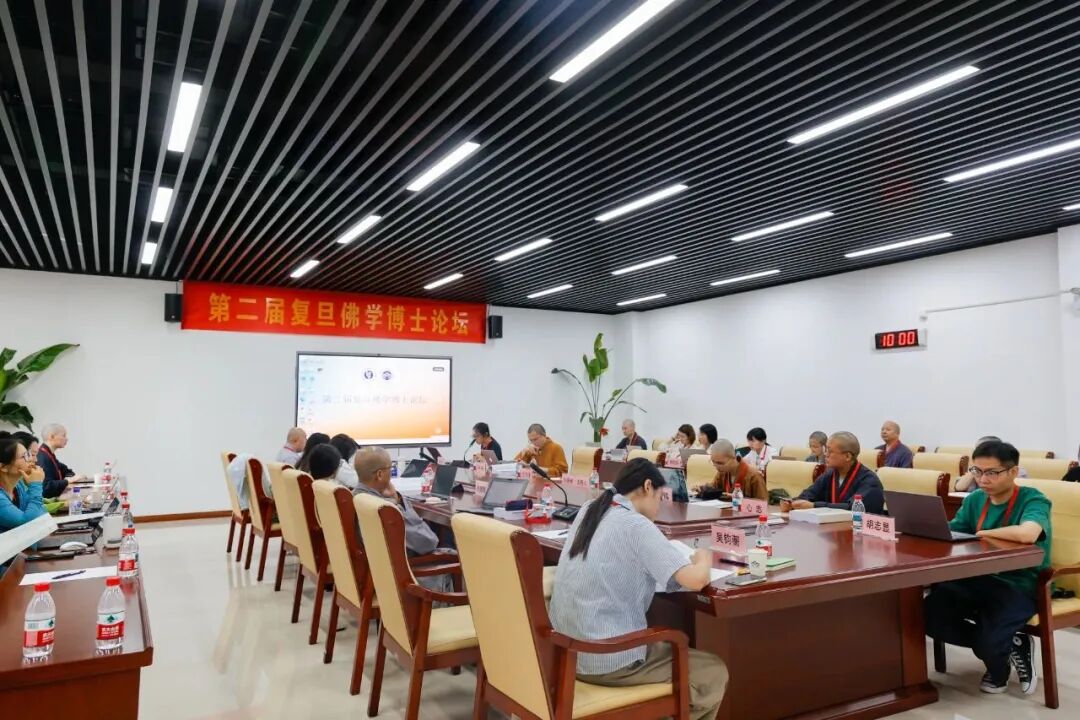
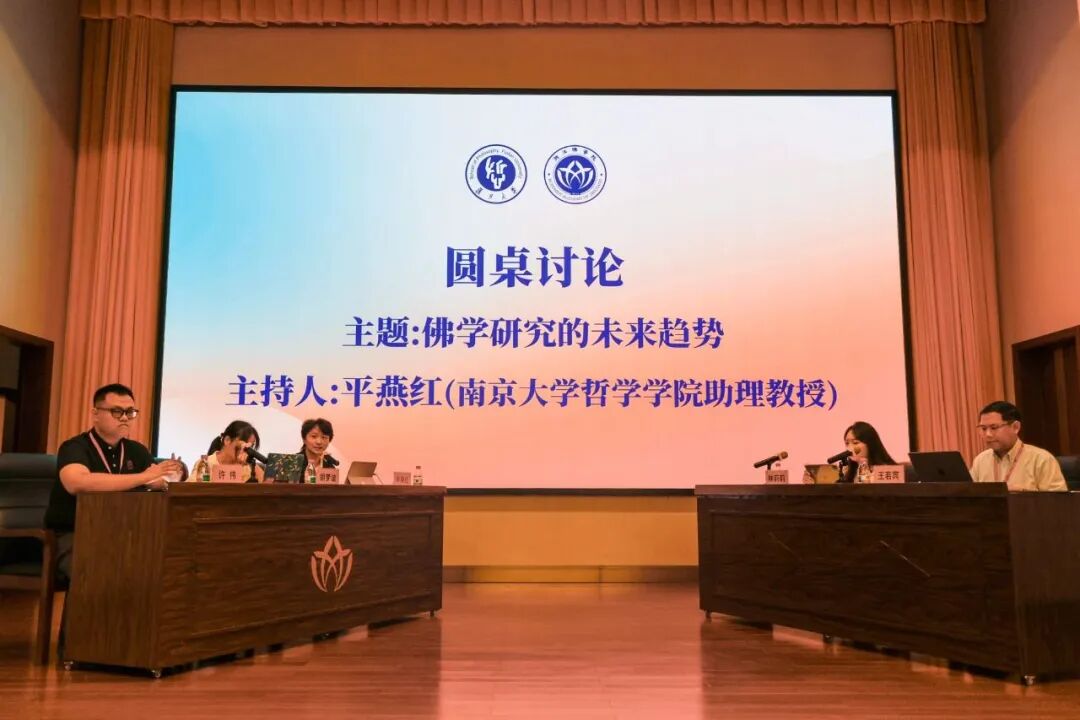
First Workshop Session
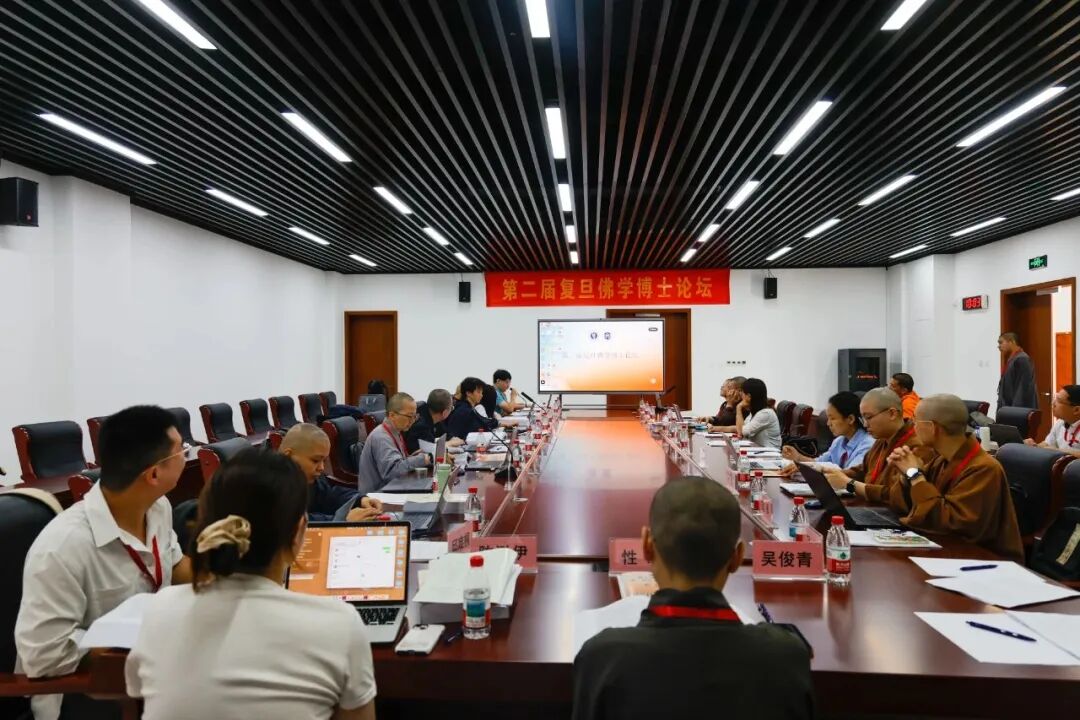
Second Workshop Session
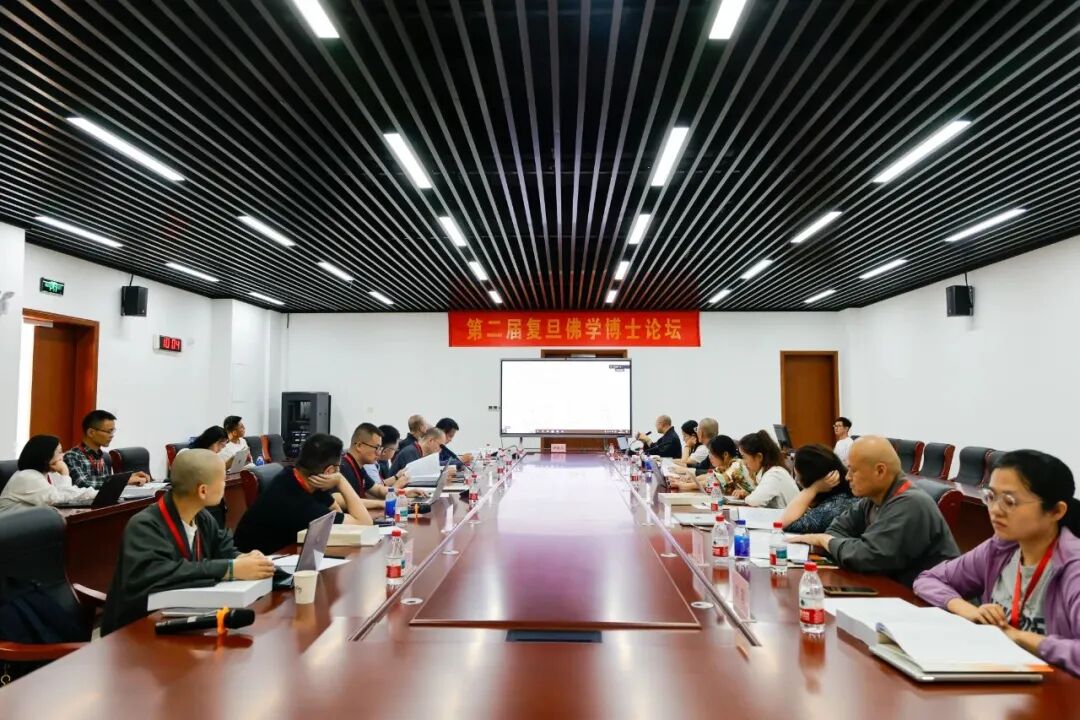
Third Workshop Session
Closing: Upholding Tradition While Embracing Innovation, Continuing the Academic Legacy
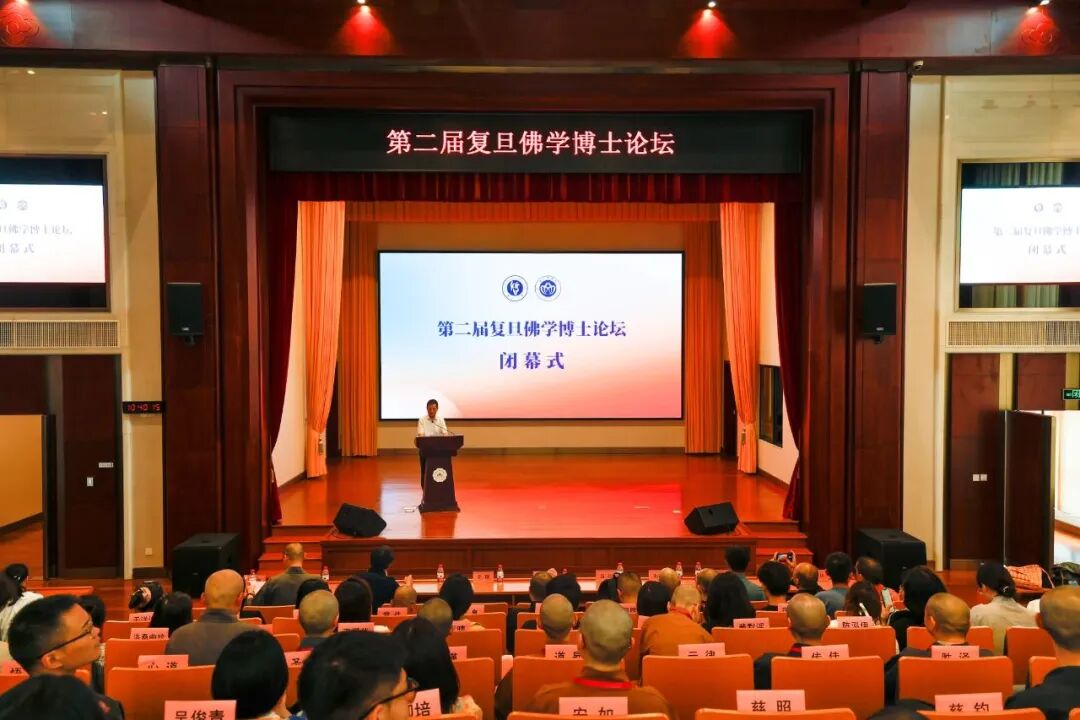
On the morning of July 24, the closing ceremony of the forum was held in the lecture hall of Zhixing Building. Professor Zhang Wei, former Dean of the School of Humanities and Media at Ningbo University and Vice Dean of our institute, presided over the ceremony. In his address, Venerable Chi Ding, Executive Vice Dean of our institute, stated that the convening of this forum represents another significant step in deepening the collaboration between Zhejiang Buddhist College and the School of Philosophy at Fudan University. The significance of the forum extends far beyond academic discourse itself. It builds bridges for Buddhist education, provides a platform for young scholars, and opens new avenues for the development of Buddhist studies. As a site with millennia of cultural heritage, Xuedou Mountain has consistently served as both a witness to and participant in civilizational dialogue. The intellectual exchanges and wisdom shared during the forum have infused this renowned Buddhist mountain with new contemporary significance. We look forward to young scholars upholding the academic ethos of preserving tradition while embracing innovation. May the wisdom and consensus forged at this forum fuel your research endeavors, deepening systematic studies of Buddhist culture and showcasing the contemporary relevance of Eastern wisdom through civilizational exchange and mutual learning.
This forum not only represents another achievement in the collaboration between Fudan University and Zhejiang Buddhist College, but also resonates with the mission of Buddhist studies in the new era to “take root locally while embracing the international community.” The accumulated heritage of Chinese Buddhist scholarship over more than a century is now being revitalized with new vitality in the global context through the voices of young scholars.